

Women and the coffee supply chain
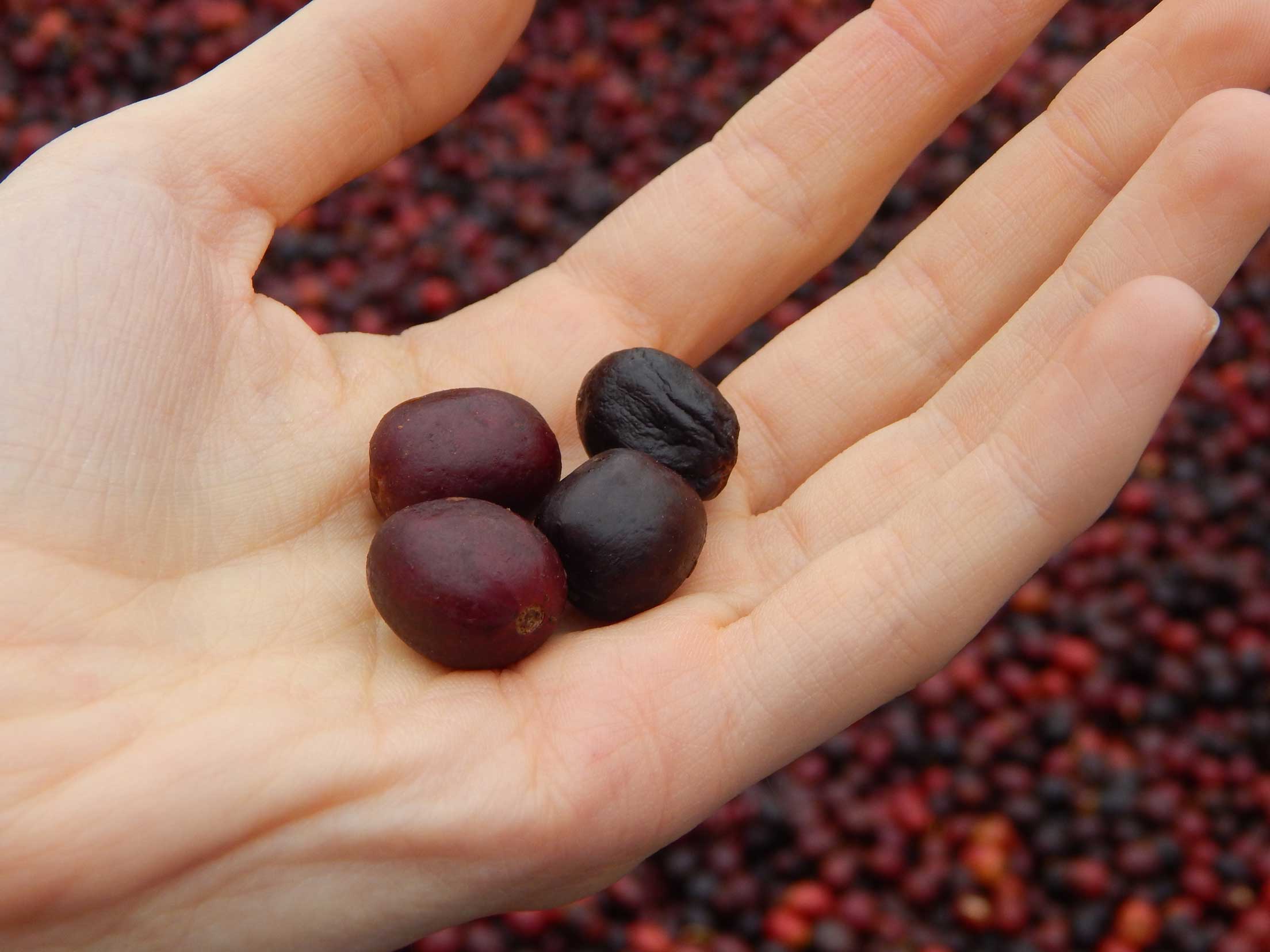
Black and steaming, hot macchiato, milk on the side, espresso or moka pot: there are so many ways to understand and enjoy coffee. But have you ever wondered where it comes from and what long processes were necessary for it to become the precious beverage that delights palates every day? How many hands were needed to grow it, and how many of these belong to the women who work in the coffee supply chain? Over 500 million people in the world depend on coffee exports, and among them, 25 million are coffee growers, the majority of them women . (Source: IWCA, International Women's Coffee Alliance 2017). Many female coffee growers live in villages in South America, left alone after their men left in search of work.
Many of them haven't sat idly by. Instead, they've organized themselves into various associations dedicated not only to coffee production, but above all to safeguarding working conditions and ensuring equal pay. A long and arduous journey, one that requires immense passion and determination to achieve women's emancipation through a sustainable work model.
But what does sustainability mean?
Sustainability primarily depends on protecting and safeguarding women working in the coffee supply chain, addressing gender inequality head-on. This is achieved by encouraging their access to training courses for their professional development. This data is not encouraging; in some countries, women are paid approximately 30% less than men. Their contractual conditions are extremely precarious, as there are no labor laws to protect them. (Source: UN 2016)
A destiny that therefore suggests one idea, the only one: join forces and start over with coffee. Thanks to the creation of dedicated cooperatives, the role of women is gradually evolving, thanks to a more proactive impact on the coffee world in many areas: from production management to product quality control, improving living conditions and family incomes, access to specialized courses, and the emergence of new professional roles such as "cup tasting."
A major milestone was achieved during Expo 2015 when, for the first time, a project dedicated entirely to women was proposed. A vast collection of stories, experiences, and tales from women around the world, giving voice to women's culture on the topic of nutrition.
In the coffee cultivation and production sector, a new reality is thus born, made up of women who have earned their presence on the market thanks to their determination to organize themselves, creating cooperatives and associations aimed at protecting and raising awareness of the interests of the community.
From production to the bar
Even changing the scenario, from production to the bar, things don't change much. It's no coincidence that, in the bar, women are the go-to people for a chat, where good looks are highly sought after. However, if the customer needs information on a particular blend or origin, they often and almost inevitably turn to the male bartender. This situation, as just highlighted, is more common than you might think and can be replicated in many other contexts.
Very important in this regard is the testimony of Sonja Grant, barista, trainer, roaster, and vice president of the Coffee Roasters Guild. " Women often have to make a choice: if it's family, they remain tied to it, while men are generally more free. This is a common reality in the world. To succeed, therefore, you have to want it so much and not think about anything else. Women are sometimes not determined enough, but more inclined to settle ." Fortunately, fewer and fewer female professionals choose not to settle. They compete on equal terms with their colleagues, leveraging their skills and now managing to play key roles in almost every field of the coffee world: from machinery to research and selection of green beans, from roasting processes to international competitions, from communications to marketing.
The road to gender equality and economic treatment is still long, but these women in the coffee supply chain are an example of independence. Always with dignity and a desire to change, never giving up. This is a tribute we hope will be taken as a model for a better lifestyle, where empowered women are at the forefront.
Read more
Third generation of the Milani family, Elisabetta officially joined the company in 2015 to lead the marketing and communications department. But her connection with coffee began much earlier: amid...
Rainforests, pristine beaches, volcanic islands, and a coffee tradition waiting to be discovered. On this journey to Papua New Guinea, contact with nature combines with the authentic flavor of Caf...