


Coffee Words: A Journey Through Aromas, Methods, and Curiosities
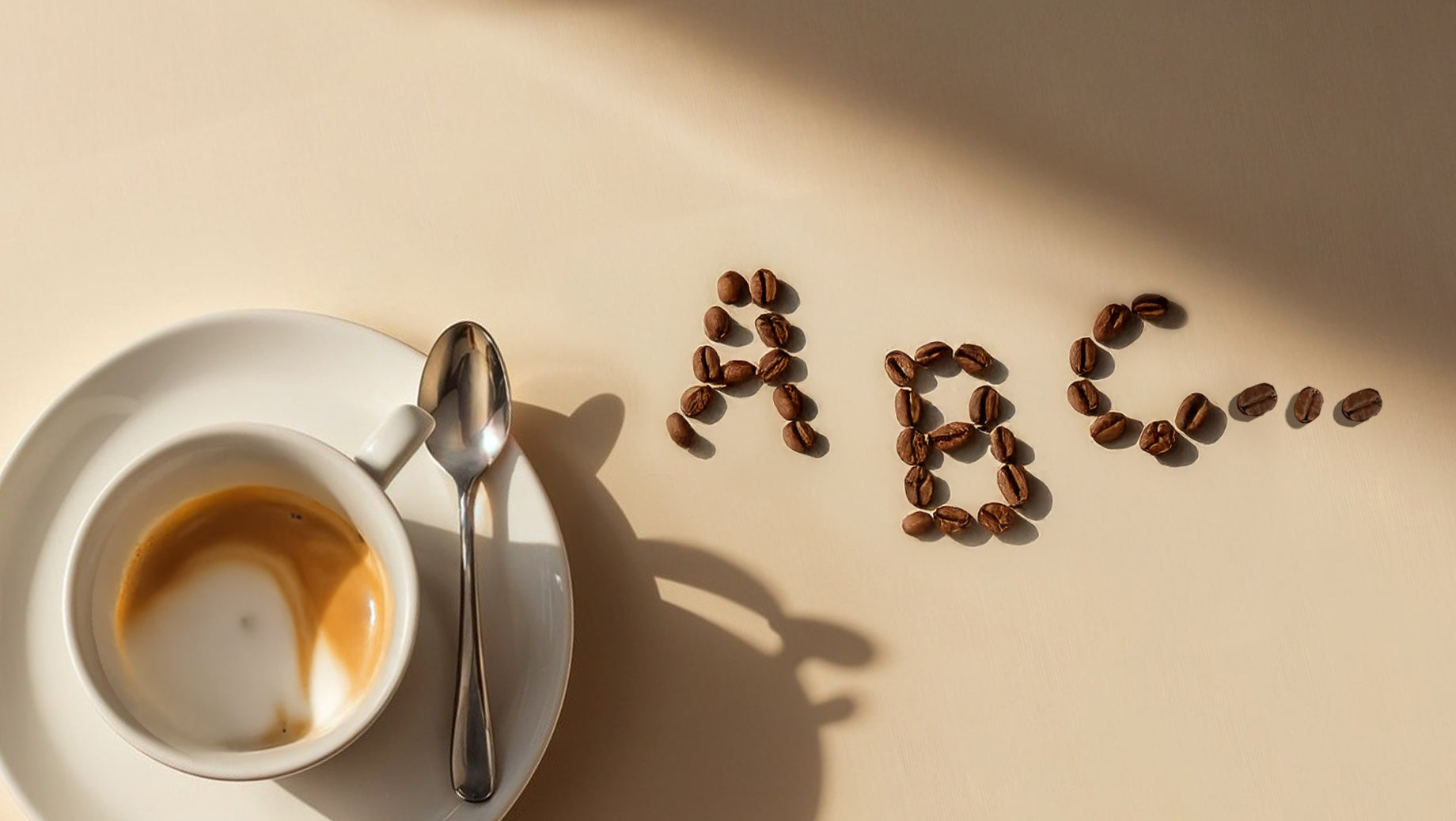
The world of coffee is full of fascinating technical terms that tell the long history of this globally beloved product. Here's a brief overview of the most important coffee terms you need to know to fully appreciate every cup.
Coffee words from A to F
-
Arabica and Robusta
These two varieties account for the majority of global production. Arabica is considered more premium, with refined sensory notes and a lower caffeine content. Robusta has a more assertive flavor and a higher caffeine content.
-
Blends and Specialties
The word blend or blend indicates a combination of different types of coffee, often selected to create a balance of flavors. Coffees Specialty coffees , on the other hand, are very high-quality beans from a single growing area and evaluated by experts according to very rigorous parameters.
-
Cupping and Q-Grader
Cupping is the professional coffee tasting method: the beans are lightly roasted and infused in hot water, then tasted to evaluate their aroma, body, and flavor. A Q-Grader is a certified professional who has passed specific tests to analyze and classify coffee according to international standards.
-
Decaffeination
Decaffeination is the process that removes most of the caffeine from the beans, while keeping the main flavors intact.
-
Extraction and Filter Holder
Extraction is the moment when hot water passes through ground coffee, carrying with it aromatic substances and flavors. In espresso machines, the filter holder is the holder in which the ground coffee is placed, allowing for optimal extraction.
Coffee words from F to Z
-
Farm and Origin
" Farm " refers to the plantation or estate where the coffee plants grow. " Origin" refers to the geographic provenance of the beans (e.g., Brazil, Ethiopia, or Colombia), a factor that influences the aromatic characteristics and sensory profile of the beverage.
-
Granulometry
Grit size refers to the degree of grinding. It's a crucial parameter: if it's too fine or too coarse, it can compromise the quality of the extraction and alter the flavor and body of the beverage.
-
Honey (method)
The honey method is a bean processing technique in which part of the fruit pulp (the mucilage) remains attached to the seed during drying. This gives the coffee a sweeter flavor and greater aromatic complexity.
-
Jute
Jute bags are the traditional packaging for transporting raw coffee: this natural material allows the beans to "breathe", preventing mold problems and ensuring good preservation.
-
Latte Art
Latte art is a technique for decorating espresso and frothed milk drinks, with designs and shapes expertly created by manually pouring the milk. It's a touch of creativity that makes the coffee experience even more enjoyable.
- The 4 + 1 M of the Barista: machine, grinder, operator's hand, blend These elements represent the heart of the barista's art. The espresso machine , the grinder that ensures the right grain size , the skill of the operator , and the careful selection of the blend are essential to obtaining a perfect coffee.
-
Sensory notes
These are the olfactory and gustatory perceptions that emerge when tasting coffee. They include nuances and aromas that can range from fruity and floral to spicy or roasted, helping to define the beverage's complex and distinctive profile.
-
Roasting
Before being roasted, the beans are called raw coffee or green coffee . Roasting is the roasting process that develops the distinctive aromas and flavors. The temperature and duration of roasting determine the sensory notes. finish: from sweeter and fruitier to more bitter and intense. -
Sugar
While many enthusiasts prefer plain coffee to appreciate all its nuances, sugar remains a common ingredient. The advice is to carefully choose the amount or try it without, to best appreciate the original sensory notes.
Knowing these terms helps you delve into the world of coffee, understanding its secrets and infinite nuances. From the plantation to the final cup, every word tells a story of tradition, passion, and the constant pursuit of perfection. Enjoy!
Read more

Find out how to get back on track after the holidays: practical tips for restoring vitality, balance, and the right rhythm to your daily routine.
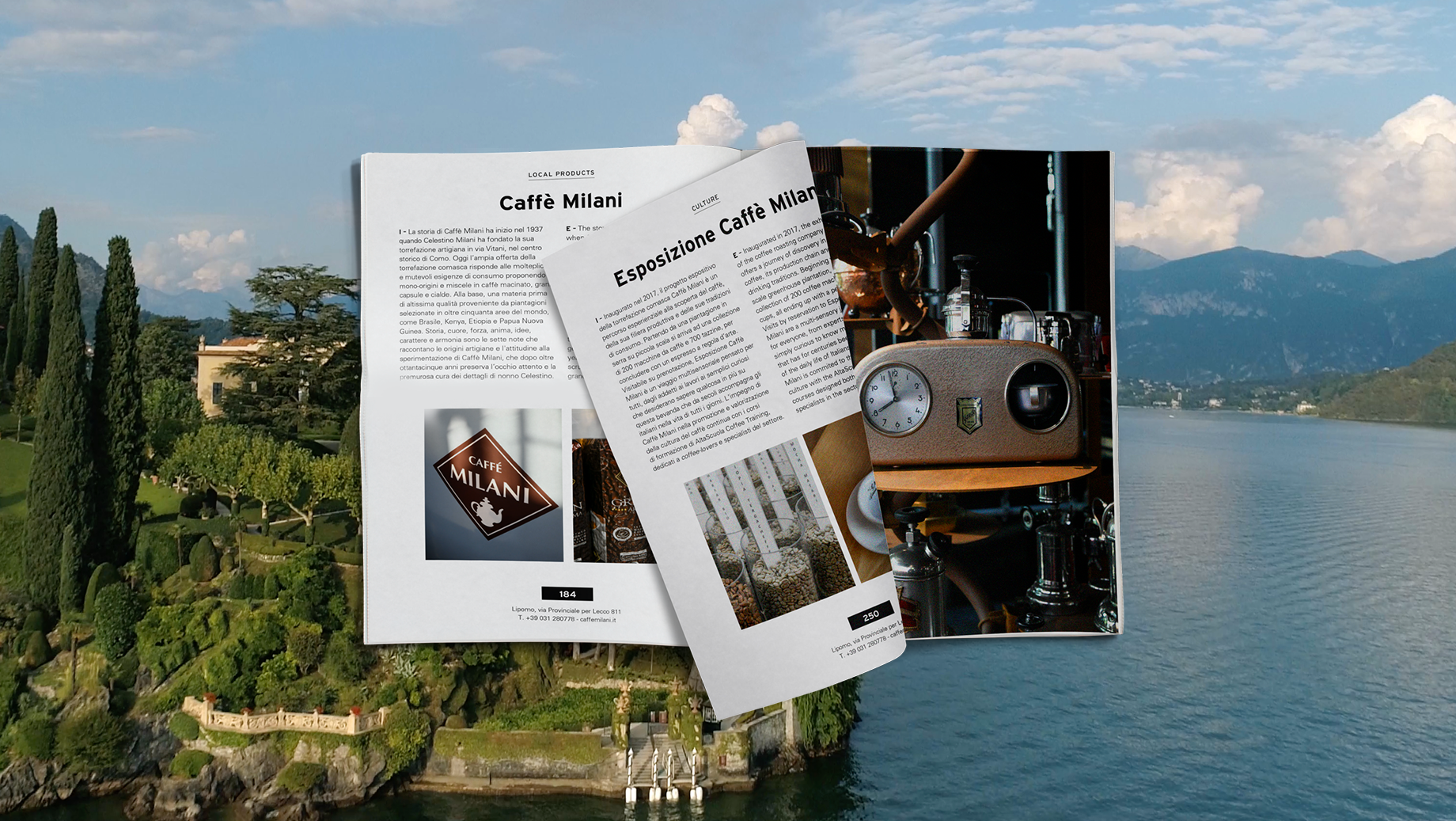
Discover the sweet life on Lake Como amidst beauty, views, history, and... the aroma of coffee. A sensory journey through elegant locations and unique flavors.