


Latte Art – Interview with Manuela Fensore
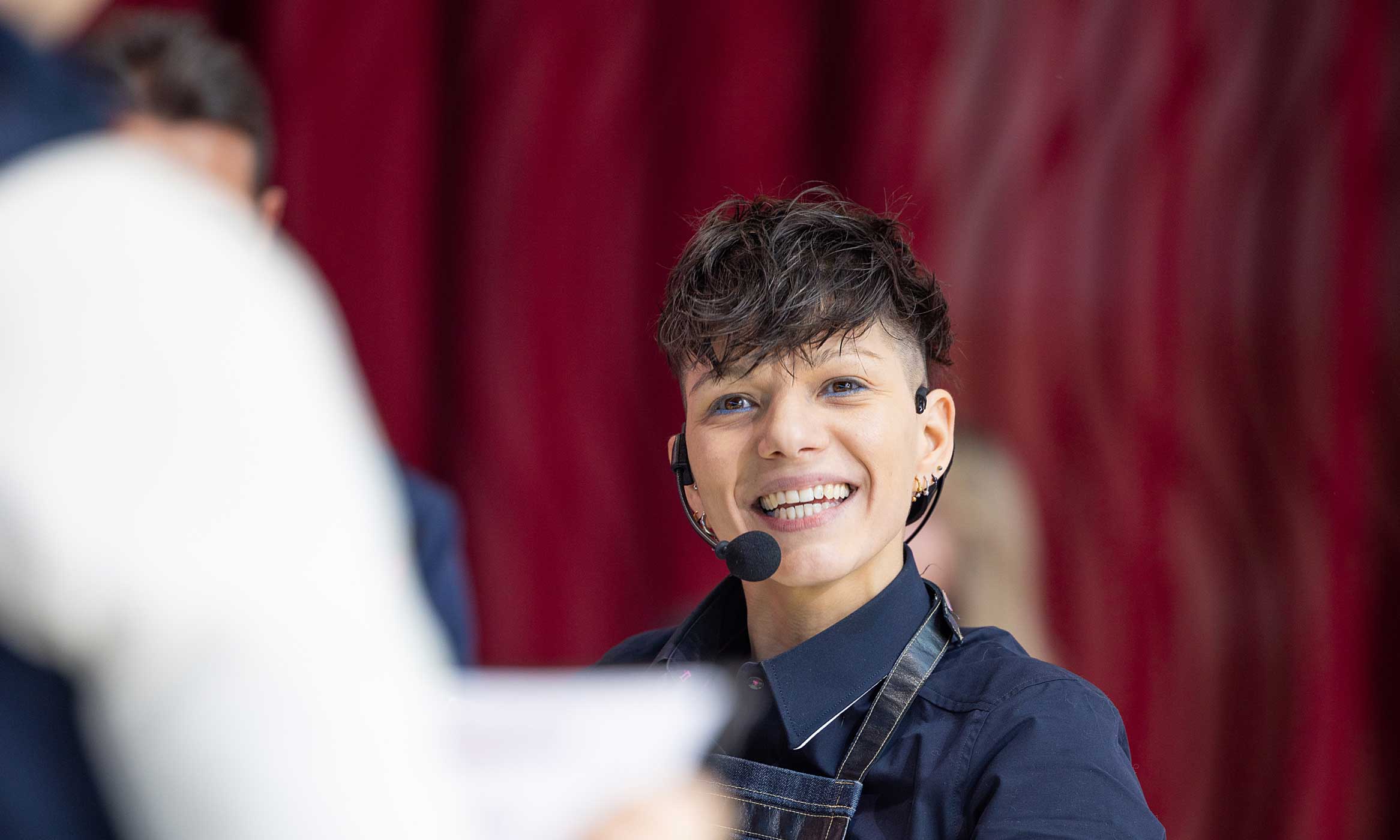
On April 29th, Manuela Fensore, winner of the Latte Art World Title in 2019, will lead a training day on this fascinating art that combines creativity with the technique of preparing coffee, especially cappuccino. With this event, Caffè Milani reaffirms its leadership in promoting superior coffee.
"For us at Caffè Milani, having a teacher of this caliber is an extraordinary opportunity," says Elisabetta Milani, Marketing and Communications Manager at Caffè Milani, emphasizing the importance of this event. "The presence of Manuela Fensore, a true icon in the world of Latte Art, represents a unique opportunity for apprentices and enthusiasts to immerse themselves in the techniques and secrets of this skill."
How did Latte Art come about and what does it mean today?
Latte Art is the technique of creating intricate decorations and designs on the froth of a cappuccino, which must therefore have the right consistency. We don't know exactly how this art originated, although it's believed to have Italian origins—perhaps also thanks to our country's strong connection to espresso—and is specifically attributed to Veronese barista Pierangelo Merlo. What is known for certain is that it was American David Schomer who made it a real trend in the 1980s and 1990s.
Today, for me, making Latte Art means wanting to evoke emotions, bring a smile, and give special attention to the customer, in a simple yet personal gesture, a thoughtfulness that makes a difference in the experience of those who receive it.
How did you get into latte art? What's your personal experience?
My first introduction to the world of perfectly crafted cappuccino and the attention to every little detail in service was in 2014, when the owner of the café where I worked, Carmen Clemente, taught me how to properly froth milk. The following year, I took my first real Latte Art course, in 2015, with Luigi Lupi. From that moment on, I fell in love with this discipline, and today I can say I'm proud that this passion has become my profession.
Are there differences in the approach to Latte Art in Italy and abroad?
In many countries abroad, latte art has become a common and accepted discipline, a customary form of customer service (as I mentioned earlier). This is especially true in Anglo-Saxon, continental, and Nordic countries, especially in Europe, because there's a coffee cult that encompasses a broader spectrum than Italian espresso, which is simultaneously more versatile, more pop-oriented, and more inclined to embrace innovation.
In Italy, we're just starting to implement Latte Art in bars: I have to admit that many baristas are slowly realizing the importance of this type of detail.
Aesthetics, excellent flavor, and aroma: these seem to be the most sought-after things today, both in the cup and in the bar as a space. Is that true?
These characteristics—aesthetics, excellent flavor, and aroma—have always been indicators of quality. They're the characteristics coffee experts have always looked for in a cup when tasting, just as they have in a coffee shop, to determine the quality of a coffee.
What's certain is that today we live in an era in which, due to many factors—social media, the ability to quickly gain in-depth information—customers have become more active, much more demanding, and attentive. This means they're much more likely to notice the quality of the product, but also the professionalism of the barista. What seems like a double-edged sword is actually an opportunity.
How important is the quality of the coffee in Latte Art?
Very much so. Having a high-quality coffee base gives us the ability to enhance the flavor of our cappuccino, ensuring that the final product is not only aesthetically pleasing, but above all delicious. It's essential to maintain the balance between style and quality.
What qualities should a coffee have today?
I believe that to win over customers today, a coffee company must know how to interpret flavors that appeal to different palates with different blends, always maintaining balance. I personally prefer blends that contain 80% Arabica and 20% Robusta, because in just a few sips, they allow me to taste all the work that goes into and behind a cup of coffee.
What qualities should a barista have today?
Without a doubt, three: passion, patience, and the ability to set professional growth goals with consistency and determination.
How has the role of the barista evolved over the years, especially in Italy?
Thanks to the opening of many specialty coffee shops, a different vision of the barista has finally spread in Italy, one that's more modern and trendy, more versatile, and more lifestyle-focused. Social media has played a key role in this, helping customers understand that the world of the bar as it is today has changed; it's a 360° world, combining catering, coffee, art, management, mixology, and marketing.
What advice would you give to young people entering the coffee world?
It is absolutely necessary and essential to train and study, keep up to date, always stay active and in step with what is happening in the rest of the world and what customers demand beyond the counter.
Competition has grown significantly, with new cafés, new offerings, and new venues constantly emerging: to stay on top, you have to stand out. During the courses I teach, a marketing example is always used: let's pretend there are ten cafés on a small town street, all next to each other. All these cafés offer the same coffee, the same type of milk, and therefore the same product offering. What makes me stand out from the other nine cafés? The way I present my product, always professional, accurate, and modern. This can only be achieved by constantly updating myself and taking courses.
Read more

A journey through pristine nature, giant tortoises, and rare coffee: discover the Galápagos, the archipelago home to one of Caffé Milani's most exclusive coffees.

Discover the cafes that will make you fall in love with coffee even more: a journey through establishments chosen for their atmosphere, quality, and cup culture.